Hip/Knee Arthritis: Symptoms, Treatment Options, and When to See a Specialist
Dr. Patrick D. Brooks
10/13/2026
Arthritis is one of the most common causes of hip and knee pain in adults. For some people, arthritis causes only occasional stiffness or discomfort. For others, it can gradually make everyday activities—such as walking, exercising, climbing stairs, or getting out of a chair—more difficult.
The good news is that having arthritis does not automatically mean you need surgery. There are many treatment options available, and the right approach depends on your symptoms, activity level, overall health, and the severity of the arthritis.
What Is Arthritis?
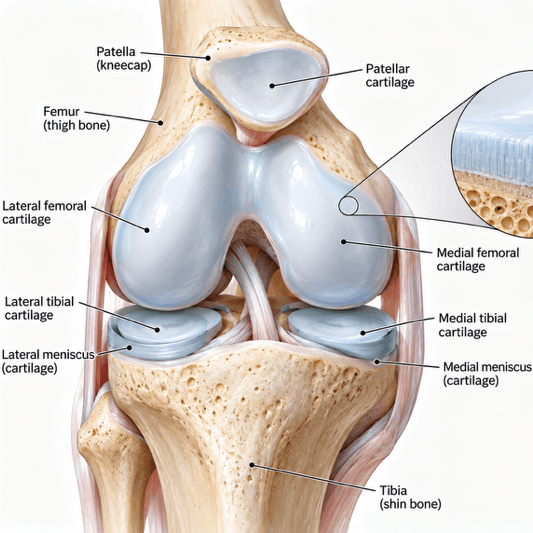
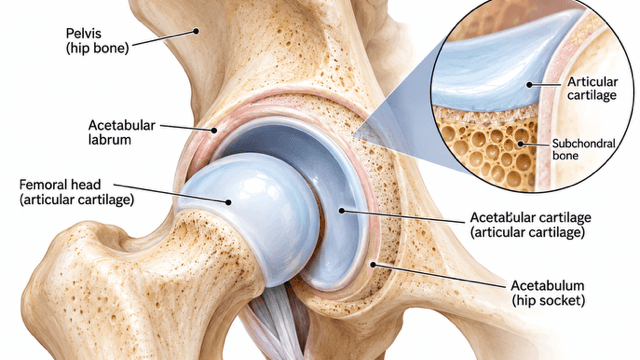
Arthritis simply means inflammation and degeneration of a joint. In the hip and knee, the ends of the bones are normally covered by smooth cartilage that allows the joint to move with very little friction.
With arthritis, this cartilage gradually becomes damaged or wears away. As the disease progresses, the joint can become increasingly stiff, painful, and sometimes deformed.
Osteoarthritis
Osteoarthritis is the most common type of arthritis affecting the hip and knee. It is sometimes described as “wear-and-tear” arthritis, although the condition is more complex than simply wearing out a joint.
Osteoarthritis can develop gradually with age, but several factors may increase the risk, including genetics, previous injuries, obesity, joint alignment, and prior surgery.
Post-Traumatic Arthritis
Arthritis can also develop after a significant injury to a joint. Previous fractures, ligament injuries, cartilage injuries, or other trauma may alter the mechanics of the hip or knee and lead to arthritis years later.
Inflammatory Arthritis
Conditions such as rheumatoid arthritis can cause inflammation that damages the cartilage and other structures within a joint. These conditions often affect multiple joints and may require treatment by both an orthopedic surgeon and a rheumatologist.
&srotate=0)
Knee Cartilage
&srotate=0)
Hip Cartilage
What Does Hip or Knee Arthritis Feel Like?
Arthritis does not feel exactly the same for everyone.
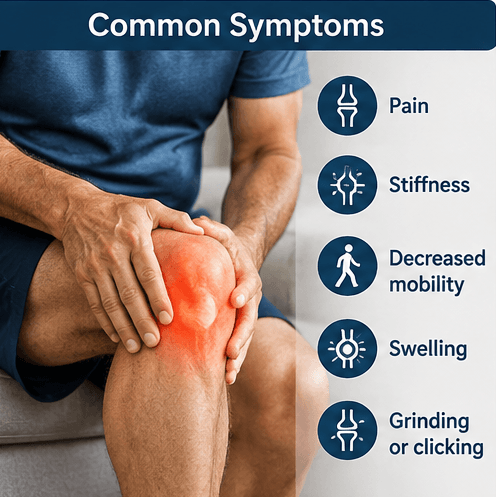
Common symptoms of knee arthritis include pain with walking or stairs, stiffness, swelling, difficulty fully bending or straightening the knee, and progressive bow-legged or knock-kneed alignment.
Hip arthritis often causes pain in the groin, although discomfort may also be felt in the thigh, buttock, or even the knee. Patients may notice difficulty putting on shoes and socks, getting in and out of a car, walking longer distances, or participating in activities they previously enjoyed.
One of the most important considerations is not simply what an X-ray looks like, but how much the arthritis is affecting your quality of life.
&srotate=0)
Arthritis Symptoms
&srotate=0)
Impact on daily life
How Is Arthritis Diagnosed?
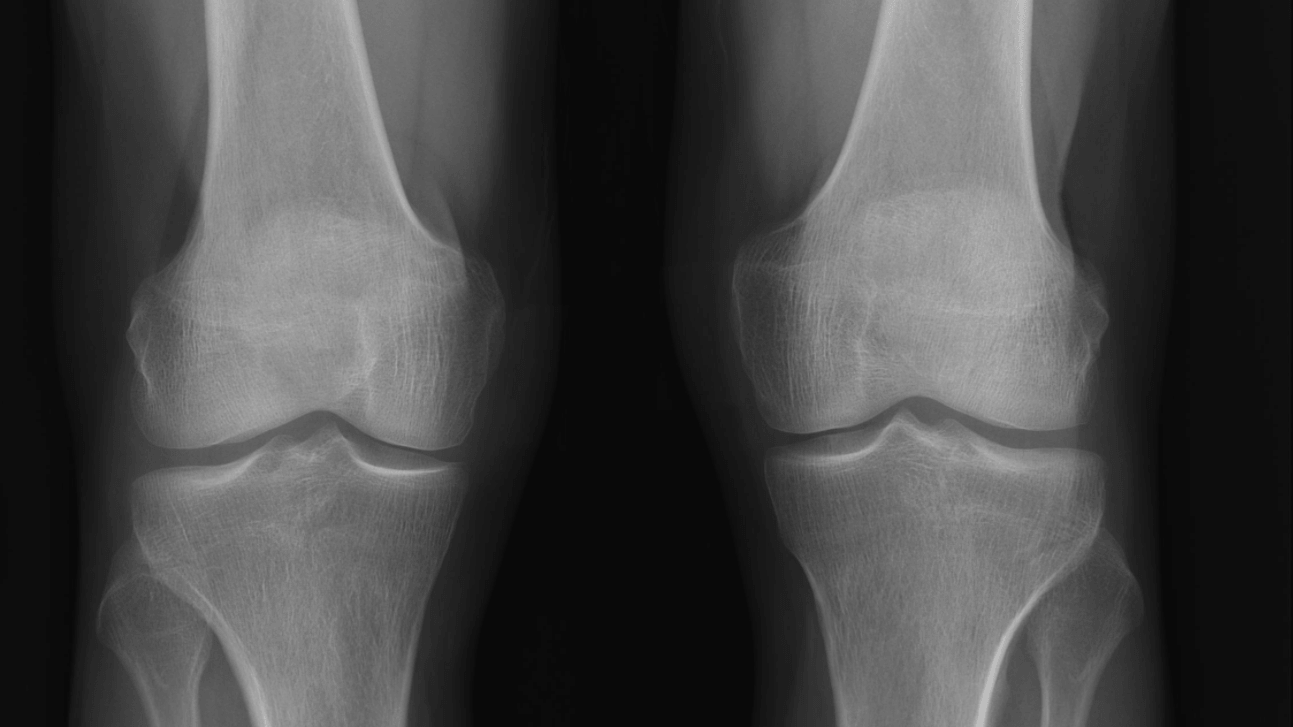
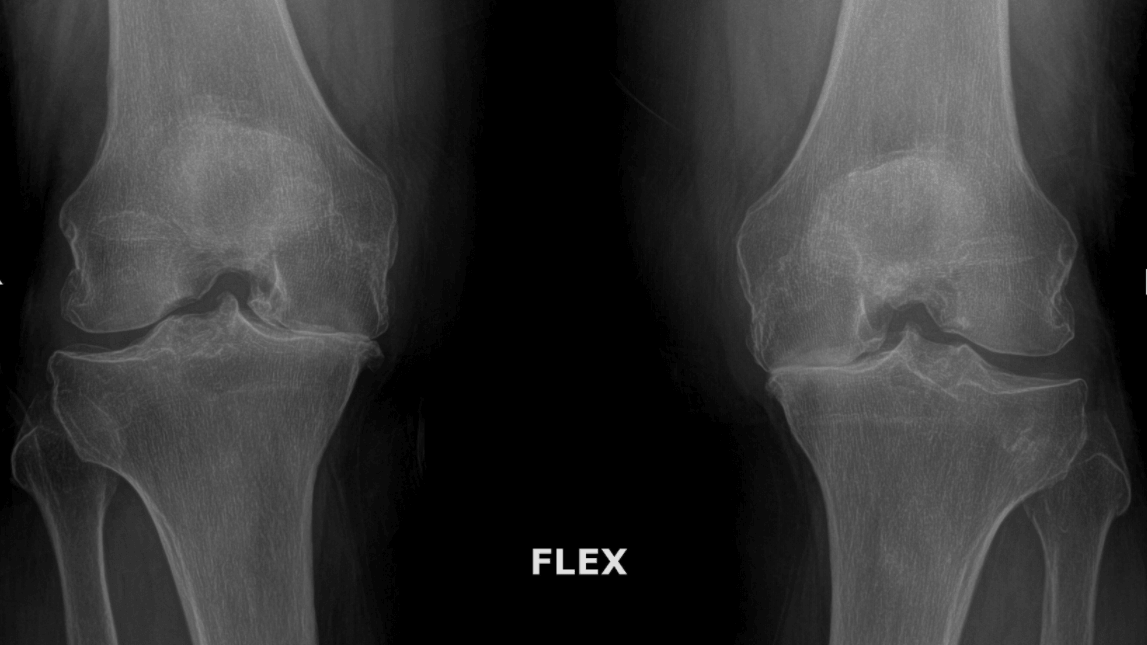
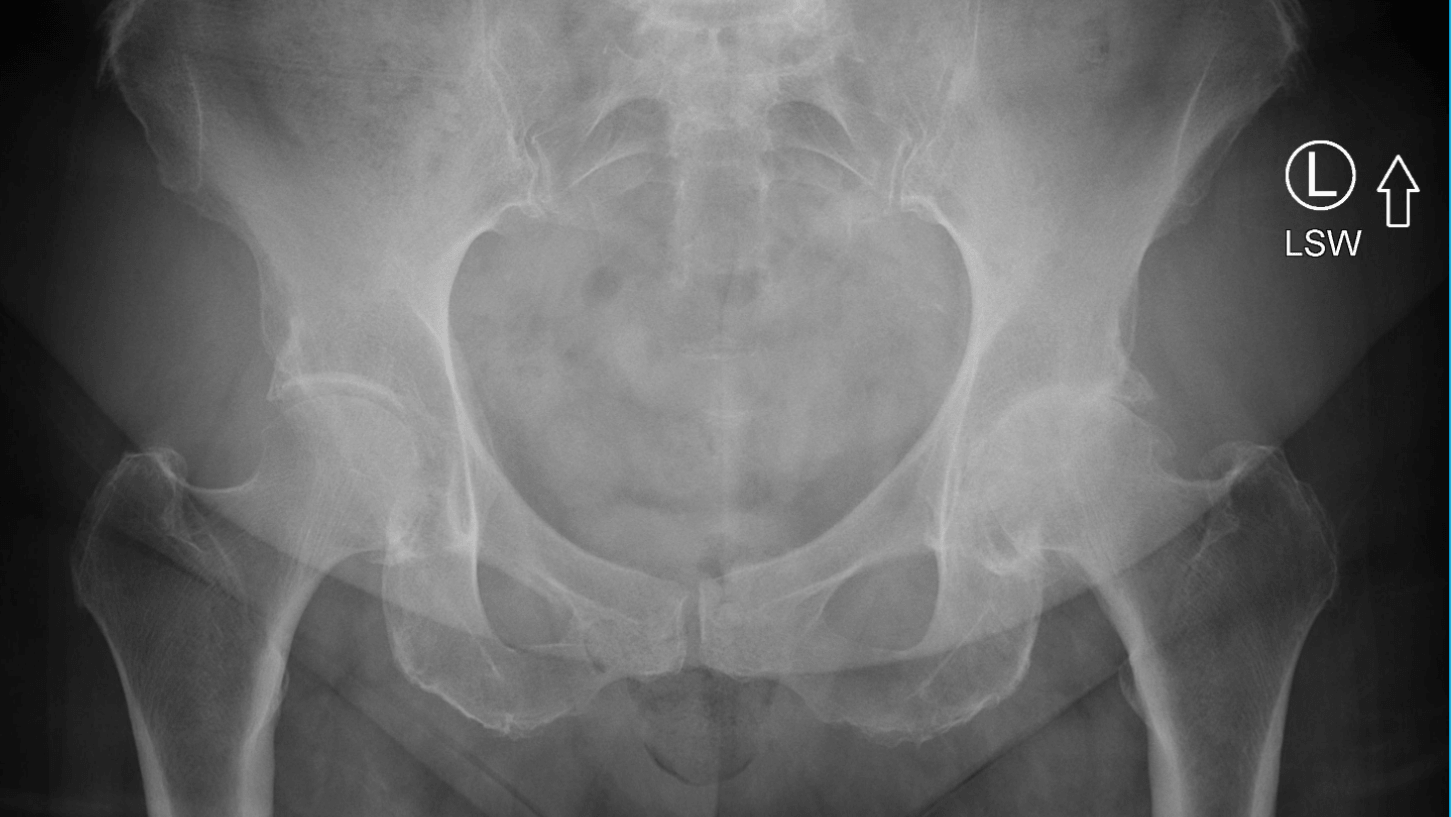
Evaluation usually begins with a discussion of your symptoms and a physical examination. X-rays can show changes associated with arthritis, including loss of joint space, bone spurs, changes in alignment, and more advanced joint damage.
An MRI is not always necessary to diagnose hip or knee osteoarthritis. In many patients with established arthritis, standard X-rays combined with the history and physical examination provide the information needed to develop a treatment plan.
&srotate=0)
Normal Knee Xray
&srotate=0)
Knee Arthritis Xray
&srotate=0)
Hip Arthritis Xray
Can Arthritis Be Treated Without Surgery?
Yes. Many patients can manage their symptoms for months or years without surgery.
Non-surgical treatment may include:
- Activity modification
- Low-impact exercise
- Physical therapy and strengthening
- Weight management when appropriate
- Anti-inflammatory or other pain medications when medically safe
- Assistive devices when needed
- Corticosteroid injections
- Other selected injection treatments
The goal is not necessarily to eliminate every sign of arthritis on an X-ray. Instead, treatment is aimed at reducing pain, maintaining motion and strength, and helping patients remain active.
When Should Joint Replacement Be Considered?
There is no single X-ray finding or age at which someone automatically needs a hip or knee replacement.
Joint replacement is generally considered when arthritis has become severe enough that pain and loss of function are significantly affecting quality of life and appropriate non-operative treatments are no longer providing adequate relief.
For the right patient, total hip or knee replacement can provide substantial pain relief and improved function. Depending on the location and pattern of knee arthritis, some patients may also be candidates for a partial knee replacement.
Advances in surgical techniques, anesthesia, pain control, rehabilitation, and technology have also changed the recovery experience. Many appropriately selected patients undergoing hip or knee replacement can now return home the same day as surgery and begin walking shortly after their procedure.
When Should You See an Orthopedic Specialist?
Consider an orthopedic evaluation if hip or knee pain is persistent, worsening, limiting your activities, disturbing your sleep, or preventing you from doing the things that are important to you.
An evaluation does not mean committing to surgery. In fact, one of the most important parts of an arthritis consultation is determining whether surgery is necessary at all.
The goal should be to understand what is causing your pain, review the available treatment options, and develop a plan that fits your individual needs.
Hip and Knee Arthritis Treatment in Jacksonville, Florida
If hip or knee arthritis is limiting your quality of life, there are both surgical and non-surgical options available.
As a fellowship-trained hip and knee replacement surgeon in Jacksonville, Florida, my goal is to help patients understand their diagnosis and make informed decisions about their treatment. When non-operative treatment is appropriate, we discuss those options first. When joint replacement becomes necessary, modern techniques can help patients return to an active lifestyle safely and efficiently.
If you are experiencing persistent hip or knee pain, consider scheduling an evaluation to discuss your symptoms, review your X-rays, and determine which treatment options may be right for you.
Recent Posts
Injections for Hip and Knee Arthritis: What are the options?
Review of the recommendations and research on the 3 main injections that are typically offered for arthritis including steroids, gel, and PRP
Total Knee Replacement: How is it actually done?
This article describes in detail the specifics of how a knee replacement is performed.
Non-Surgical Treatment Options for Hip and Knee Arthritis
There are several non-surgical treatments that can help reduce pain, improve function, and allow you to remain active while avoiding surgery